Zirconium
The application of ceramic materials for the production of dental prostheses is the focus of interest in aesthetic dentistry. Over the past decade, zirconium-based ceramics have been successfully applied to fabricate fixed dental prostheses.
Zirconium is widely used for dental restorations due to its successful chemical properties, dimensional stability and high mechanical strength.
On the other hand, its white color, similar to the color of natural teeth, gives successful results in aesthetically important areas of the oral cavity, and its light transmission feature has made zirconium an excellent material for aesthetic restorations.
Compared to traditional metal-supported ceramic restorations, there is no gray shadow formation that disrupts aesthetics.
The most important factor in making zirconium restorations the favorite of cosmetic dentistry for patients is that they give a completely natural appearance. Often, zirconium restorations are difficult to distinguish from natural teeth.
Metal-supported ceramic restorations for veneer or bridge restorations in the posterior parts of the oral cavity meet the expectations, but when it comes to the aesthetics of the teeth in the smile line in the anterior region, zirconium restorations are indispensable materials for a successful smile.
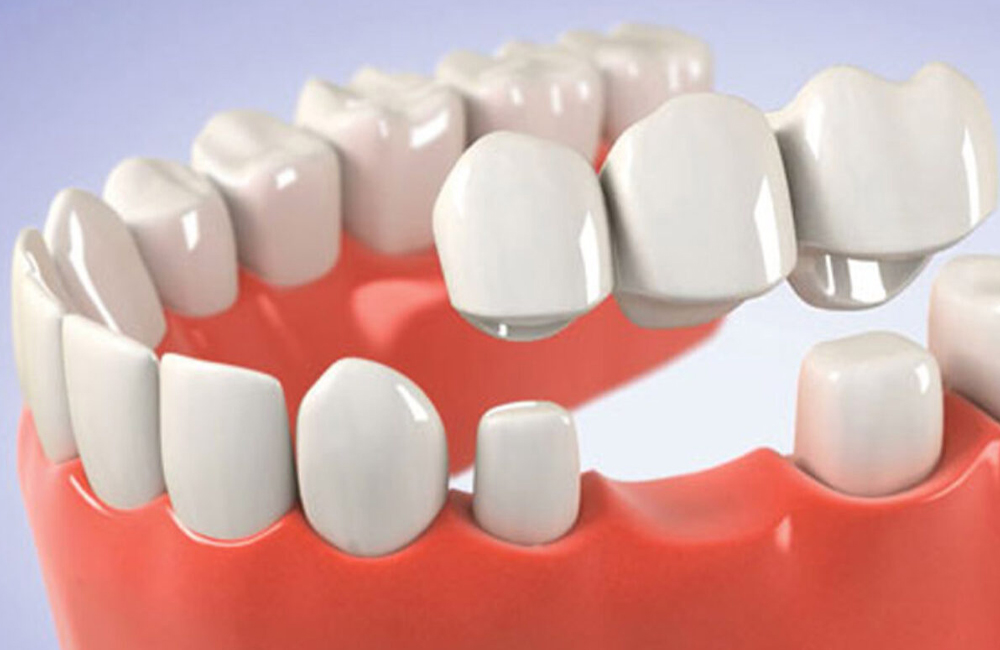
With the advent of new ceramic materials, options for the restoration of edentulous areas with fixed prostheses have changed. The development of both casting gold alloys and precision dental casting technologies has contributed to the application of metallic prostheses. However, metal-free prostheses have come to the fore due to demands from patients for aesthetics and biological compatibility. Zirconium-based ceramic restorations have been developed as an alternative to metal infrastructure for fixed dental prostheses.
The success of natural-looking dental restorations; Appropriate material selection depends on form, surface texture, light transmittance and color harmony.
With the increasing awareness of aesthetics and biocompatibility, patients are increasingly demanding metal-free, zirconium-based solutions.